Master Classic Kake Udon: Comfort in a Bowl, Homemade Broth Secrets
There are few dishes as universally comforting and deeply satisfying as a steaming bowl of udon soup. Among the myriad Japanese noodle variations, Kake Udon stands out for its elegant simplicity and the sheer soulful warmth it delivers. This classic Japanese noodle soup, with its thick, chewy udon noodles nestled in a delicate yet flavorful broth, is the epitome of comfort food. While often enjoyed in bustling Japanese eateries, mastering the art of Kake Udon at home, especially crafting its exquisite broth from scratch, elevates it to an unforgettable culinary experience.
Many consider udon their ultimate go-to comfort food, and for good reason. The substantial wheat noodles possess a unique chewiness that not only satisfies hunger but also profoundly soothes the soul. While various regional styles and elaborate toppings abound, the humble Kake Udon, often simply garnished with a sprinkle of green onions, remains a beloved staple. Today, we’ll delve into the secrets of creating an authentic bowl, with a special focus on developing a rich, umami-packed homemade broth that rivals any restaurant.
What is Kake Udon? A Journey into Japanese Comfort
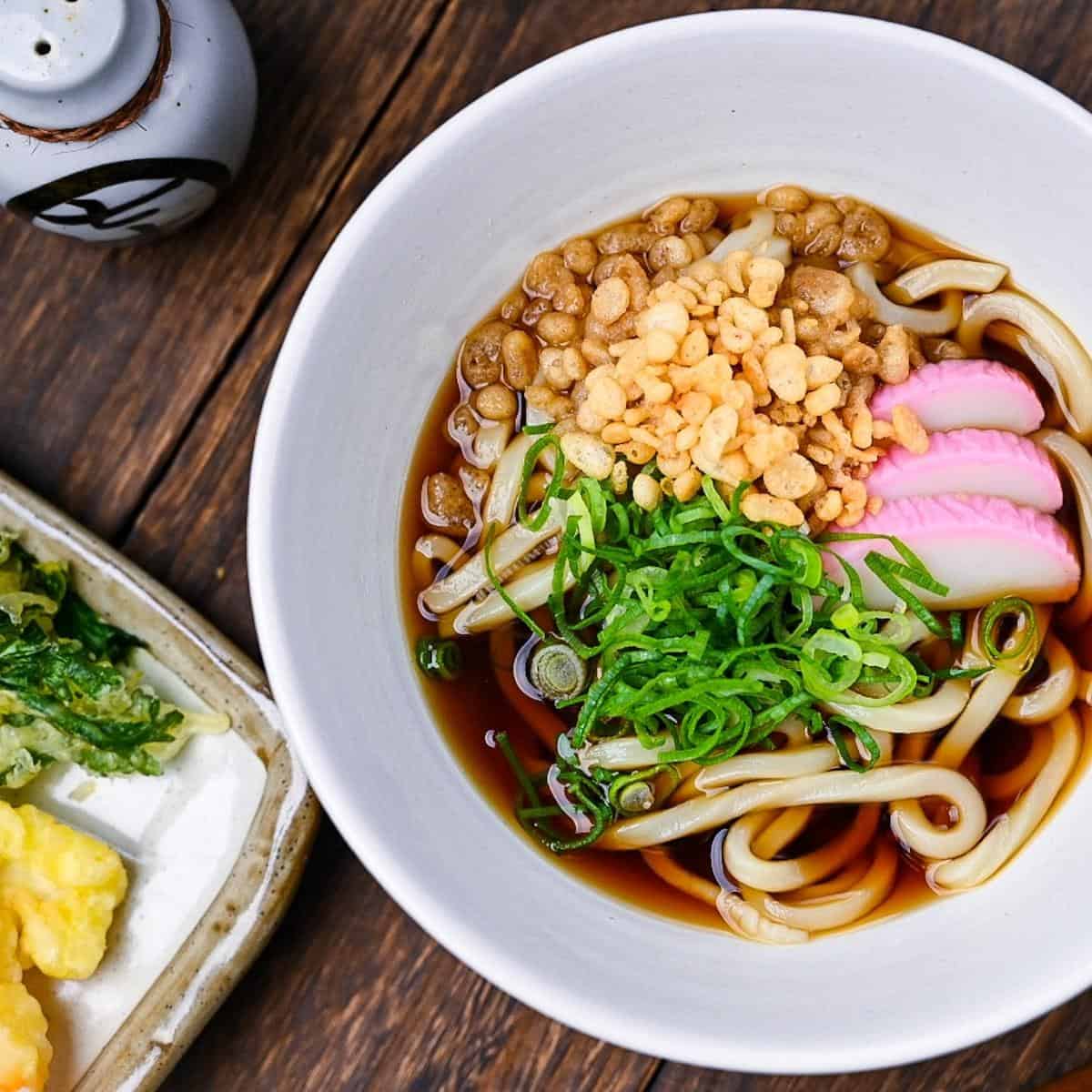
At its heart, Kake Udon (かけうどん) represents the most fundamental form of hot udon noodle soup. It's characterized by its minimalist presentation: a clear, savory broth, perfectly cooked udon noodles, and typically just a scattering of thinly sliced green onions as garnish. This simplicity is its strength, allowing the quality of the noodles and the depth of the broth to truly shine.
Regional nuances in Japan offer fascinating insights into this beloved dish. In the Kanto region, encompassing Tokyo, it's known as Kake Udon. However, venture to the Kansai region, which includes cities like Osaka, Kobe, and Kyoto, and you'll find a similar dish referred to as Su Udon (素うどん). The Kansai version often features a slightly lighter-colored dashi broth, reflecting regional culinary preferences. Udon itself is a specialty of several areas across Japan, with Kagawa Prefecture in the Shikoku region famously dubbed the "Capital of Udon" due to its renowned Sanuki udon. Fukuoka in Kyushu and Saitama in Kanto also boast their own delicious and distinct udon variations.
Regardless of its regional name or slight variations, Kake Udon consistently embodies the spirit of Japanese comfort food. It’s a dish that warms you from the inside out, offering a moment of culinary peace in its unassuming perfection.
The Heart of the Bowl: Unveiling Homemade Broth Secrets
The true magic of Kake Udon lies not just in its thick, chewy noodles, but overwhelmingly in its delicate yet profound broth. While shortcuts exist, learning to make your own homemade udon broth is a game-changer, promising a depth of flavor that can easily surpass many restaurant offerings. The secret lies in a carefully constructed Japanese soup stock known as dashi.
Building the Foundation: Dashi from Scratch
Dashi is the cornerstone of Japanese cuisine, providing the essential umami flavor. For the best Kake Udon, crafting dashi from scratch is highly recommended. There are two primary types perfect for this dish:
- Awase Dashi: This is the classic, most robust dashi, made from a combination of kombu (dried kelp) and katsuobushi (dried bonito flakes). Kombu provides glutamates, while katsuobushi contributes inosinates, which together create a synergistic umami bomb. Making Awase Dashi involves a gentle steeping of kombu, followed by a brief simmer with katsuobushi.
- Vegan Dashi: For a plant-based alternative that loses none of its savory depth, vegan dashi is made from kombu and dried shiitake mushrooms. The dried shiitake brings its own unique umami profile, making for a wonderfully rich and flavorful broth.
If time is of the essence, quality dashi packets offer a convenient 5-minute solution, allowing you to achieve a respectable stock without the full commitment of scratch-making. However, for that truly authentic, rich taste, the homemade versions are unmatched.
Seasoning the Broth to Perfection
Once your dashi is ready, a few key seasonings transform it into the distinctive udon soup broth:
- Mirin: This sweet Japanese rice wine adds a touch of sweetness and a beautiful luster to the broth, enhancing its overall flavor complexity.
- Soy Sauce: Essential for umami and saltiness. Opt for a good quality Japanese soy sauce. For gluten-free versions, use tamari soy sauce.
- Sugar: A small amount of sugar helps to balance the savory and salty notes, creating a harmonious flavor profile.
- Kosher Salt: Used to fine-tune the seasoning, ensuring the broth is perfectly balanced.
The Broth-Making Process: A Gentle Simmer
In a medium saucepan, combine your prepared dashi with mirin, soy sauce, sugar, and kosher salt. Bring the mixture to a gentle simmer – avoid a rolling boil, as this can dull the delicate flavors of the dashi. Cover the saucepan with a lid and let it sit for a few minutes, allowing the flavors to meld beautifully. This gentle approach ensures that every ingredient contributes its best, resulting in a perfectly balanced and deeply satisfying udon broth.
Crafting the Perfect Udon Bowl: Noodles and Assembly
With your incredible homemade broth simmering gently, it’s time to focus on the other star of the show: the udon noodles, and then bringing it all together into a comforting bowl.
Choosing and Cooking Your Udon Noodles
The characteristic thick, chewy, and bouncy texture of udon noodles is crucial to the experience. While dried udon is available, most aficionados agree that frozen udon noodles offer the best texture – they reheat beautifully and retain their satisfying chewiness, often surpassing fresh or dried varieties. When selecting, look for frozen udon at Asian grocery stores or in the international aisle of larger supermarkets.
Cooking them is straightforward:
- Bring a large pot of water to a rolling boil.
- Add the frozen udon noodles, stirring gently to prevent sticking and to help them loosen.
- Cook according to package instructions, which is typically only for a few minutes, as they are often pre-cooked. Be careful not to overcook, as this will diminish their delightful bouncy texture.
- Once cooked to your liking, drain the noodles thoroughly in a colander.
- Divide the hot noodles evenly into serving bowls.
For those with dietary restrictions, gluten-free rice udon noodles are an excellent alternative, paired with gluten-free soy sauce or tamari, allowing everyone to enjoy this classic dish.
Assembling Your Kake Udon
The final step is where the magic truly comes together. Carefully ladle the hot, aromatic homemade broth over the noodles in each bowl. The steam rising from the bowl, carrying the savory scent of dashi, is an immediate invitation to comfort.
The traditional garnish for Kake Udon is simple yet essential: a generous sprinkling of thinly sliced green onions (scallions). These add a fresh, pungent counterpoint to the rich broth. For those who enjoy a little heat and complex spice, a dash of shichimi togarashi (Japanese seven-spice blend) is an optional but highly recommended addition, offering a delightful pop of flavor and a gentle warmth.
While Kake Udon is celebrated for its simplicity, its robust broth provides a fantastic foundation for various additional toppings if you desire a more substantial meal. Think tempura, thinly sliced kamaboko (fish cake), or even a soft-boiled egg, though purists often stick to the basic garnishes to truly appreciate the noodle and broth.
Time-Saving & Adaptable Udon Soup Solutions
While making dashi from scratch offers unparalleled flavor, sometimes life calls for a quicker solution. The good news is that you don't have to compromise on a delicious bowl of udon soup, even when you're short on time.
The Speedy Broth: Mentsuyu and Beyond
For those evenings when you need a meal on the table in under 15 minutes, concentrated noodle soup base, known as mentsuyu, is your best friend. Available in bottles at Japanese grocery stores or online, mentsuyu simplifies the broth-making process dramatically. Simply follow the bottle's instructions for hot udon soup (うどん or めんのかけつゆ), diluting it with water to the specified ratio. It’s a fantastic pantry staple for a quick and satisfying meal.
Even better than store-bought mentsuyu is making your own homemade mentsuyu ahead of time. This concentrate can be stored in the refrigerator and diluted as needed, offering a convenient balance of speed and superior flavor. For a deep dive into these swift alternatives, check out our guide on Quick Udon Soup: Homemade Broth vs. 15-Minute Shortcut Options.
Vegan and Spicy Adaptations
The inherent versatility of Kake Udon extends to dietary preferences. As mentioned, by using kombu and shiitake-based dashi and ensuring your soy sauce is gluten-free (tamari), you can easily create a delicious vegan udon soup without sacrificing any of the deep, savory flavors.
Furthermore, the basic Kake Udon broth serves as an incredible canvas for customization. For those who love a bit of heat, this foundational broth can be enhanced with chili oil, gochugaru (Korean chili powder), or a touch of sriracha to create a spicy udon soup. The beauty of this recipe is its ability to accommodate a wide variety of add-ins and flavor profiles, based purely on your personal preferences or whatever ingredients you have on hand.
Embrace the Comfort of Homemade Kake Udon
Mastering classic Kake Udon is more than just following a recipe; it's about embracing a culinary philosophy rooted in simplicity, comfort, and the incredible depth of homemade flavors. From the first slurp of the rich, umami-packed broth to the satisfying chew of the udon noodles, every element of this dish is designed to provide warmth and contentment. Whether you opt for the full experience of making dashi from scratch or choose a quick, convenient shortcut, the reward is a soul-soothing bowl that truly captures the essence of Japanese comfort food. So, gather your ingredients, take pride in your homemade broth, and enjoy the profound pleasure of a perfectly crafted bowl of Kake Udon.
